When Runways Meet Algorithms: How Fashion and Digital Marketing Grew Up Together
Fashion has always been about being seen. For most of its history, that meant runway shows, glossy magazine spreads, and window displays on busy streets. Digital marketing has changed the where and how of being seen, but the underlying instinct hasn’t changed at all. What used to happen in a showroom now happens in a feed, and the brands that understand this shift are the ones setting trends rather than chasing them.
Storytelling Is the Real Common Thread
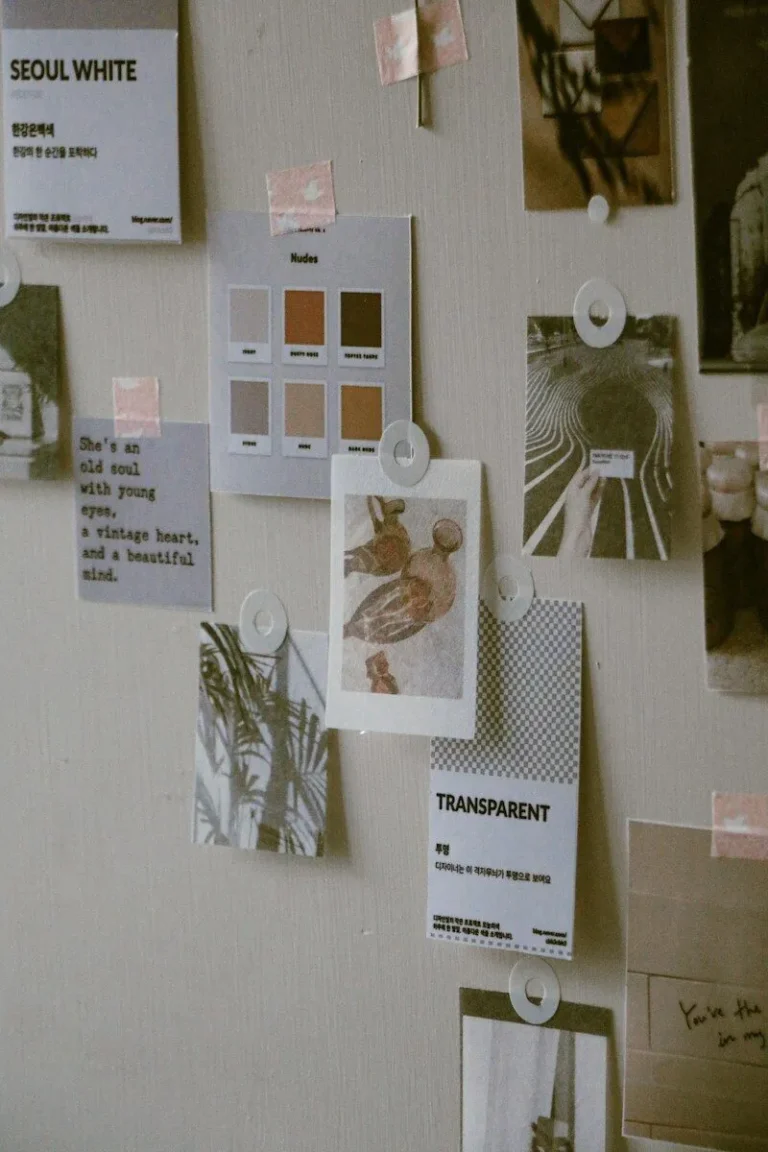
Every great fashion brand has always sold a story, not just a garment. Chanel sold independence, Supreme sold rebellion, and a small independent label today might sell sustainability or craftsmanship. Digital marketing didn’t invent this idea, but it gave it new tools. A brand story that once lived only in a print campaign can now unfold across a TikTok series, an email newsletter, and a Pinterest board, each format reaching a slightly different mood the audience is in. The story stays consistent, but the medium adapts, and that adaptability is what keeps a fashion brand relevant across generations of shoppers.
Influencers Replaced the Front Row
There was a time when only editors and celebrities sat in the front row of a fashion show. Now, a mid-sized creator with a loyal following can shape what thousands of people buy this season. This is one of the clearest places where digital marketing and fashion have merged into a single discipline. Influencer marketing isn’t just an add-on to a fashion brand’s strategy anymore; for many labels, especially newer or direct-to-consumer ones, it is the strategy. The relationship works both ways too, since fashion gave influencer culture its aesthetic language, and influencer culture gave fashion a much larger, more democratic audience.
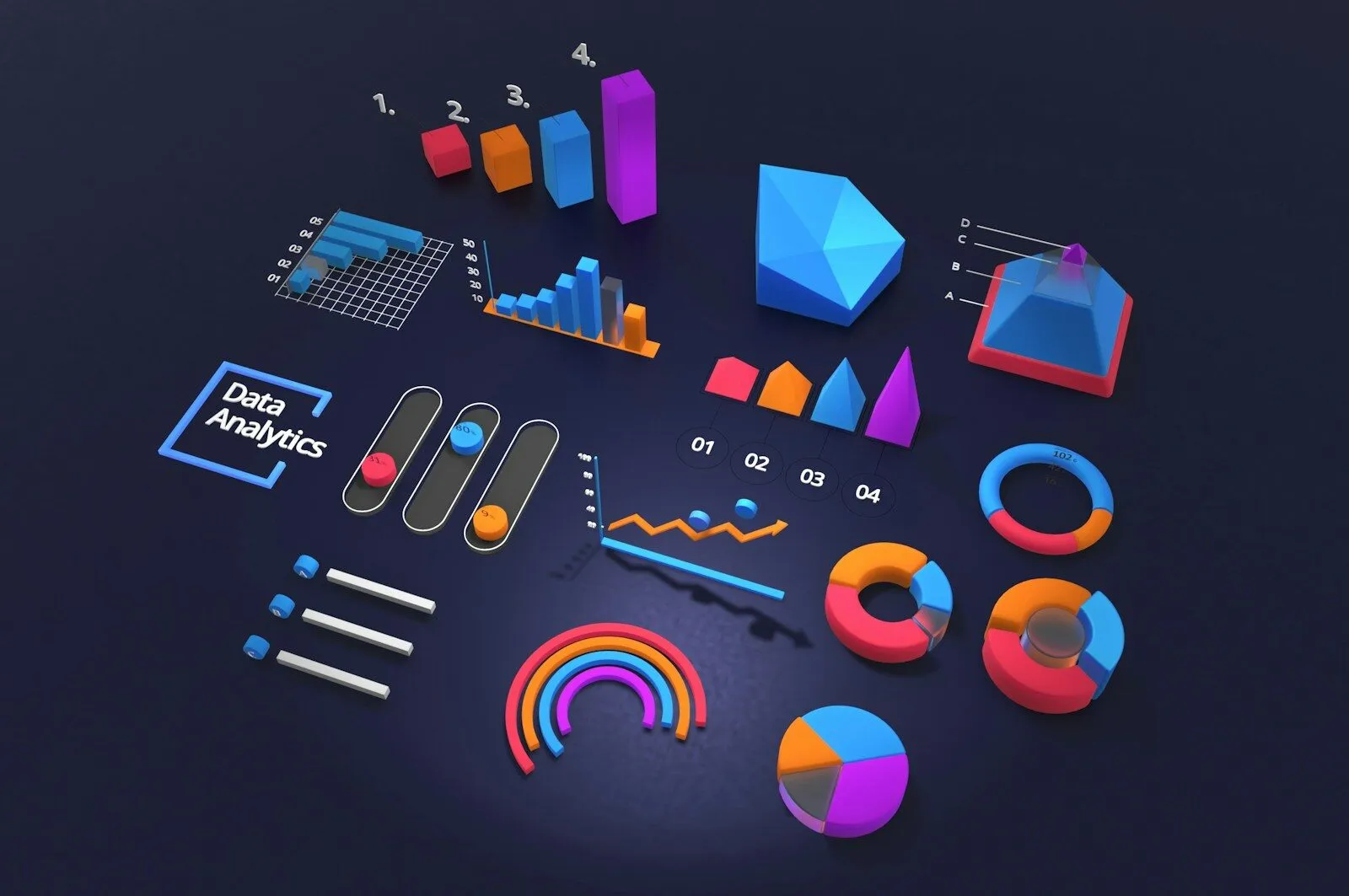
Data Is the New Fitting Room
There was a time when only editors and celebrities sat in the front row of a fashion show. Now, a mid-sized creator with a loyal following can shape what thousands of people buy this season. This is one of the clearest places where digital marketing and fashion have merged into a single discipline. Influencer marketing isn’t just an add-on to a fashion brand’s strategy anymore; for many labels, especially newer or direct-to-consumer ones, it is the strategy. The relationship works both ways too, since fashion gave influencer culture its aesthetic language, and influencer culture gave fashion a much larger, more democratic audience.
E-Commerce Turned Shopping Into Content
Online shopping didn’t just move fashion retail from stores to websites; it turned the act of browsing itself into a form of entertainment. Product pages with styling videos, shoppable Instagram posts, and live shopping streams have blurred the line between advertising and shopping so much that many people can no longer tell where one ends and the other begins. For fashion brands, this means the website or app isn’t just a transaction point anymore; it’s a shopfront, a magazine, and a customer service desk all at once, and digital marketing is the discipline that ties those pieces together.
Sustainability Messaging Needs Marketing to Land
Fashion’s sustainability shift is one of the most meaningful changes in the industry, but it only works if people actually hear about it in a way they trust. This is where marketing plays a quieter but crucial role. A brand can source organic cotton or use recycled packaging, but if that story isn’t told clearly and consistently across its digital channels, most shoppers will never know to factor it into their decision. Fashion supplies the substance, and digital marketing supplies the megaphone, and increasingly, audiences are choosing brands based on how honestly that megaphone is used.
Where the Two Will Keep Merging
The next stage of this relationship is already visible in things like AI-generated styling suggestions, virtual try-on tools, and hyper-personalised email campaigns that feel less like ads and more like a stylist who knows your closet. Fashion will keep supplying the creativity and cultural instinct, and digital marketing will keep supplying the tools to understand audiences at scale and reach them at the right moment. Neither side works as well alone anymore, and that’s really the point: the brands winning right now are the ones that stopped treating fashion and marketing as separate departments and started treating them as one conversation.